
Skip to content
Breads & Muffins Recipes

Parker House Rolls

2 hours 45 minutes
15 rolls

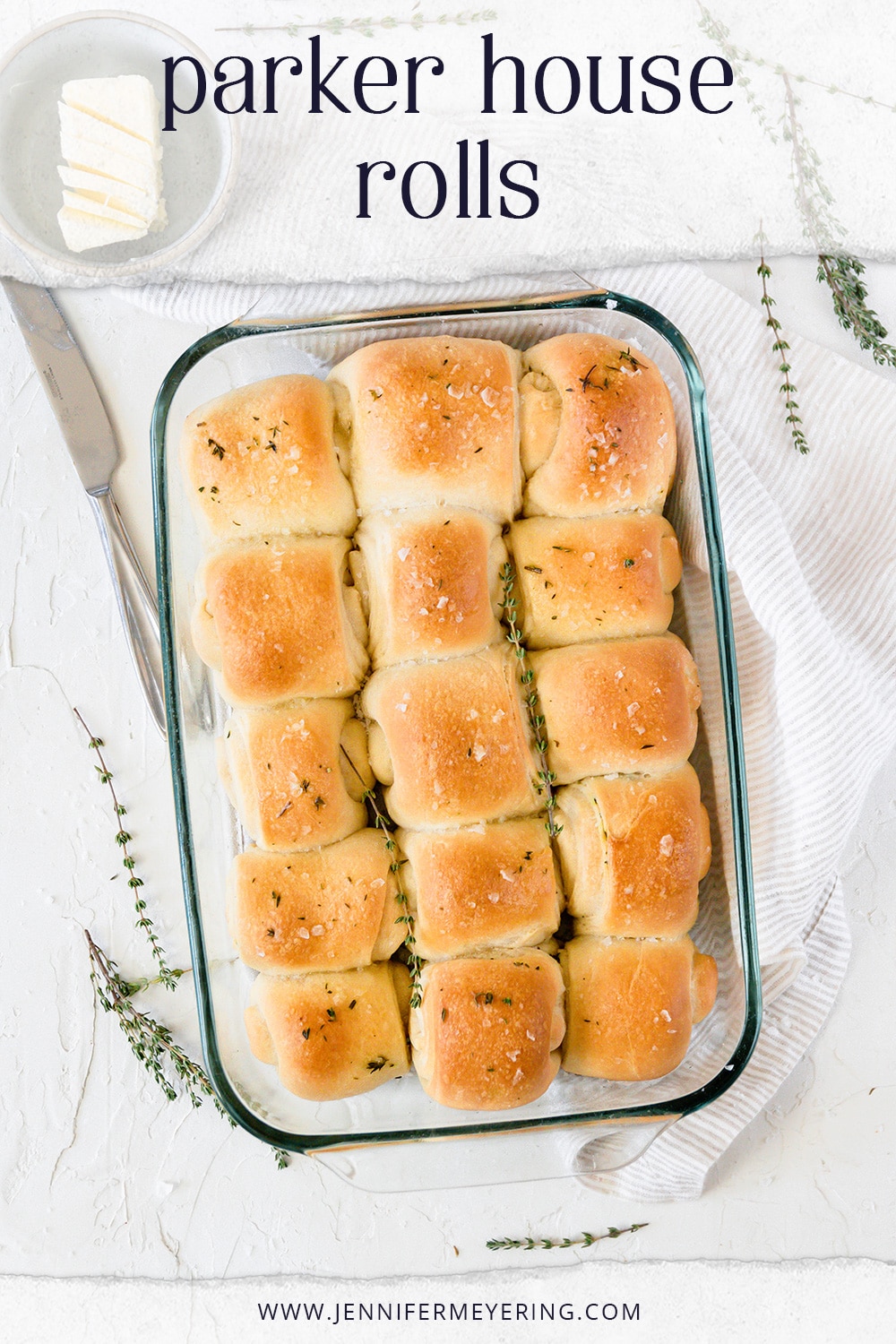
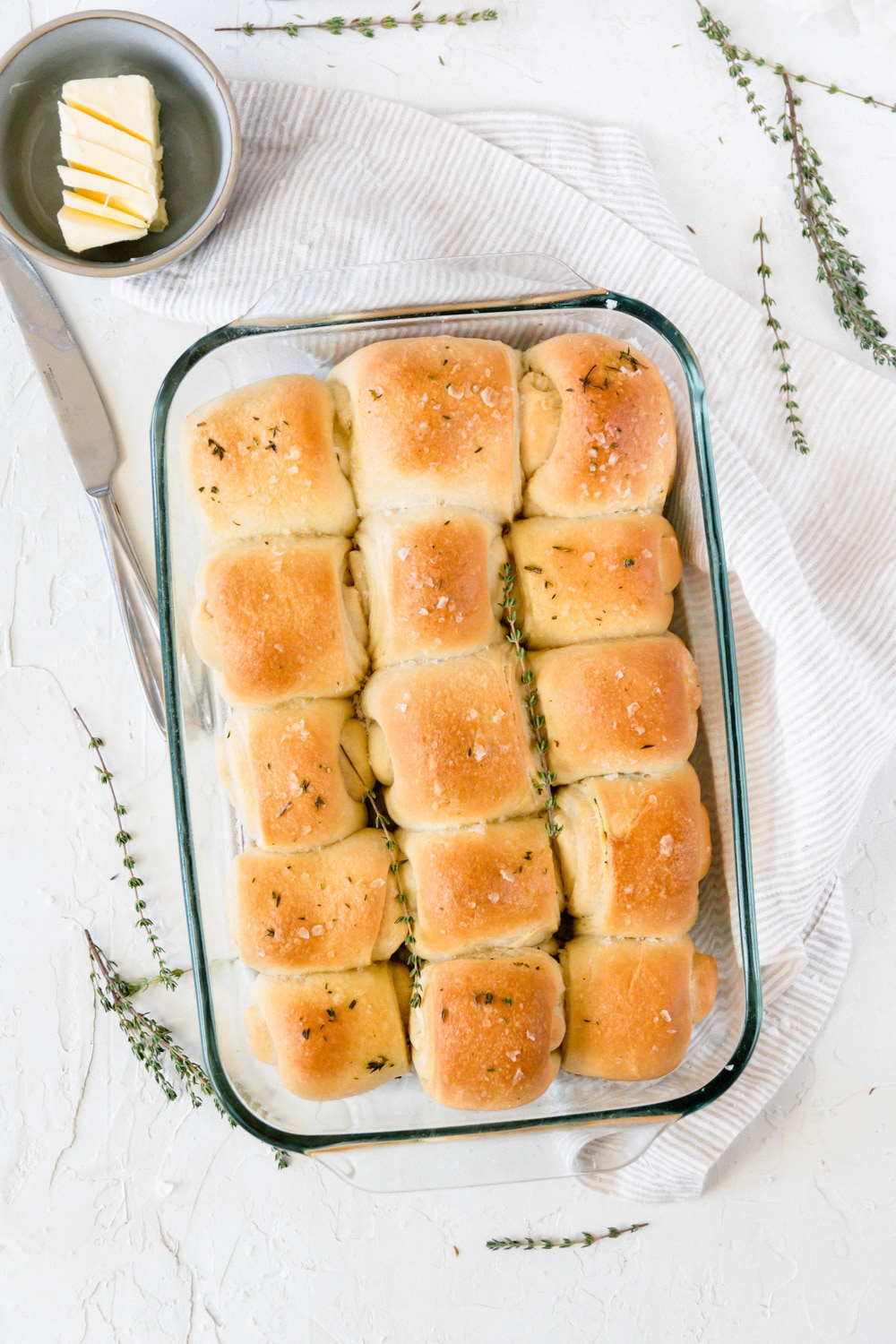
These Parker House rolls are soft, fluffy, buttery dinner rolls with folded layers and a flaky sea salt finish, making them a cozy side for any meal.

Parker House Rolls
These Parker House rolls are soft, fluffy, buttery dinner rolls with folded layers and a flaky sea salt finish, making them a cozy side for any meal.

It’s been a while since I’ve shared a true yeasted dough recipe around here, and these Parker House rolls felt like the perfect one to bring back to the table. I’ve posted plenty of cozy baked goods over the years, from cornbread to banana bread, but there is just something extra satisfying about pulling apart a pan of homemade dinner rolls that are soft, buttery, and still warm from the oven.

I made these for Thanksgiving, and they were every bit as good as I hoped they would be. They bake up fluffy and tender, with buttery layers tucked inside and a sprinkle of flaky sea salt on top that makes each bite taste just a little more special. If you love a dinner roll that is simple, classic, and absolutely worth the little bit of hands-on time, this is the kind of recipe that earns a spot on repeat.

Parker House Rolls

What are Parker House Rolls?

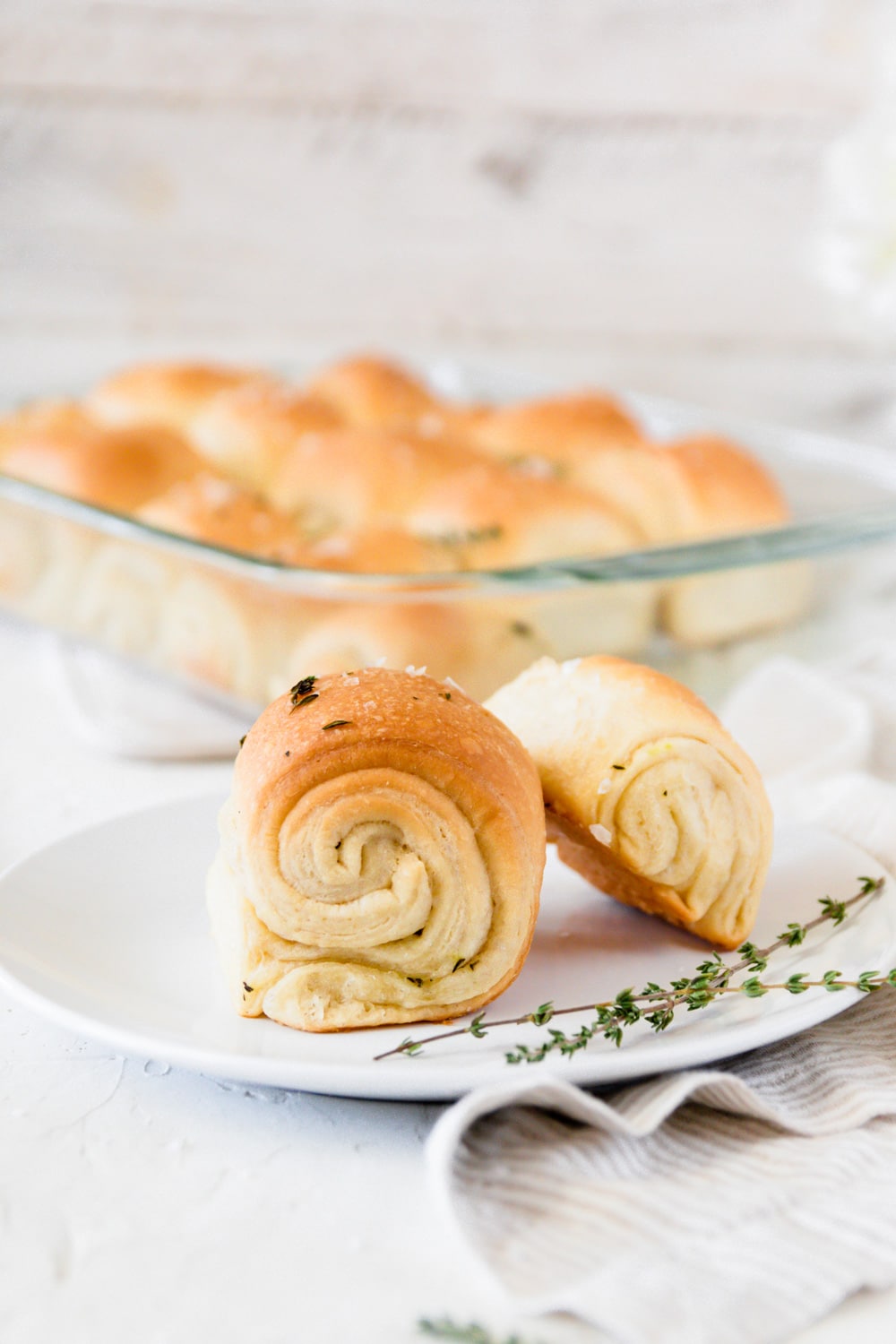
Parker House rolls are classic dinner rolls known for their soft texture, rich buttery flavor, and folded shape. In this version, the dough is rolled, brushed with melted butter, folded, and shaped so each roll has beautiful layers that bake up tender and lightly flaky.

What makes these rolls stand out is how comforting and familiar they feel while still being a little more special than a basic bread basket roll. They are pillowy in the center, golden on top, and finished with flaky sea salt for a little contrast. That combination makes them right at home on a holiday table, but honestly, they are just as welcome next to a weeknight dinner when you want something warm and homemade.

Why You’ll Love this Recipe

  • Soft and fluffy: These rolls bake up tender and airy, with a light texture that makes them hard to stop pulling apart.
  • Rich buttery flavor: Butter is worked into the dough and brushed between the layers, so every bite feels cozy and satisfying.
  • Beautiful layered shape: Folding and rolling the dough gives these rolls that classic Parker House look and a little extra texture.
  • Perfect for dinner or holidays: They are special enough for Thanksgiving, but simple enough to make anytime you want homemade rolls.
  • Finished with flaky sea salt: That final sprinkle gives the tops a subtle crunch and brings out all the buttery flavor underneath.

Ingredients

  • Milk: Warm milk helps activate the yeast and gives the dough a soft, tender texture.
  • Active dry yeast: This is what gives the rolls their rise and fluffy interior.
  • Granulated sugar: A little sugar helps feed the yeast and adds balance to the dough.
  • All-purpose flour: The base of the dough that gives the rolls structure while still keeping them soft.
  • Salt: Essential for flavor and for balancing the richness of the butter.
  • Egg: Adds richness and helps create a soft, tender crumb.
  • Unsalted butter: Used in the dough and brushed between the folds for that signature buttery flavor and layered texture.
  • Flaky sea salt: Sprinkled over the top for a simple finishing touch that makes the rolls feel bakery-worthy.

Substitutions & Additions

This recipe is really all about the butter, the soft dough, and that classic folded shape, so I like to keep it fairly true to form. The easiest place to make it your own is the finish. If you want a more traditional soft dinner roll feel, you can leave off the flaky sea salt. If you love that salty-buttery contrast like I do, keep it on top both before and after baking.

You can also be a little flexible with how generously you brush the melted butter over the dough as you shape it. That butter between the folds helps create the soft layers, so it is worth taking your time with that step.

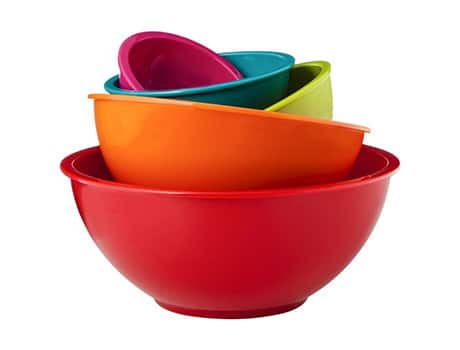
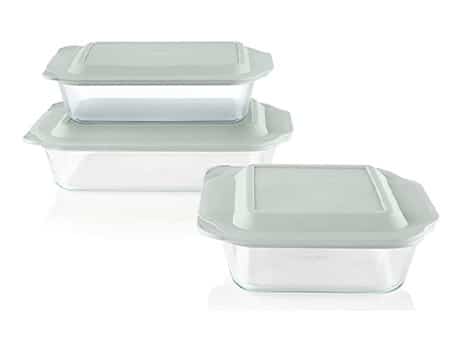
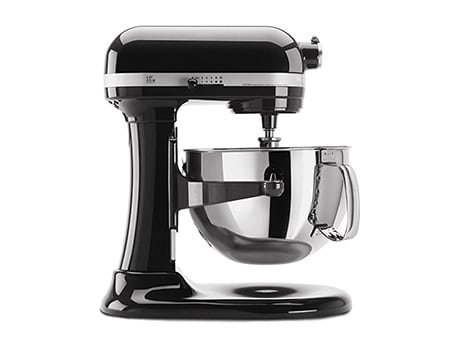
Equipment Needed for Parker House Rolls

GET NEW POSTS via EMAIL:

How to Make this Recipe

Start by warming the milk until it is slightly warm to the touch, about 100–110°F. This part matters more than it seems. If the milk is too hot, it can damage the yeast. If it is too cool, the dough will take much longer to rise. If you do not have a thermometer, it should feel just barely warm when you test it.

Pour the warm milk into the bowl of a stand mixer and whisk it together with the active dry yeast and sugar. Let the mixture stand for about 5 minutes. When the top looks foamy, you will know the yeast is active and ready to go. If it does not foam, it is best to stop there and start again with fresh yeast rather than hoping for the best later.

Once the yeast mixture is ready, add the flour, salt, egg, and half of the butter. Using the dough hook, mix on low speed for about 5 to 10 minutes, until a smooth dough ball forms. The dough should still feel a little sticky, but it should begin pulling away from the sides of the bowl.

Turn the dough out onto a lightly floured surface, then place it in a lightly oiled bowl. Cover the bowl with plastic wrap and let the dough rise in a warm, dry place for about 1 hour, or until doubled in size. If your kitchen runs cool, warming the oven briefly, turning it off, and letting the dough proof inside can help. A proof setting works great too, if your oven has one.

Once the dough has risen, turn it out onto a floured work surface and divide it into 4 equal pieces. Roll each piece into a rectangle about 12 inches long and 6 inches wide. Brush each one lightly with melted butter, then fold the dough in half lengthwise.

Cut each folded piece into 4 smaller pieces and brush again lightly with more melted butter. Fold and roll each piece into its final shape, then place the rolls into a lightly greased 9×13-inch baking dish or a similar-sized pan. Repeat with the remaining dough until the pan is filled.

Brush the tops with the remaining melted butter and sprinkle with flaky sea salt, if using. Cover the pan and let the rolls rest for about 15 minutes so they can puff up a little more before baking.

Bake at 350°F until the rolls are golden brown on top and baked through. The original recipe notes mention checking for doneness on the earlier side, while the recipe card gives a longer bake time, so keeping an eye on color and texture is the best guide here. Once they come out of the oven, add another light sprinkle of flaky sea salt, let them cool for a minute or two, then pull them apart and serve warm.

Cooking Tips & Tricks

  • Watch the milk temperature closely: Warm milk helps the yeast bloom, but hot milk can ruin the rise.
  • Look for foam before moving on: A foamy yeast mixture is the easiest sign that your dough is off to a good start.
  • Do not worry if the dough is slightly sticky: That softer dough helps create tender rolls, so resist the urge to add too much extra flour.
  • Use a warm spot for proofing: A cozy proofing spot helps the dough rise more evenly and keeps the process moving.
  • Be generous, but steady, with the butter: Brushing the dough as you shape it is what helps give these rolls their buttery layers.
  • Bake until golden, not pale: The tops should have a nice golden finish before you pull them from the oven.
Parker House Rolls

Serving Suggestions

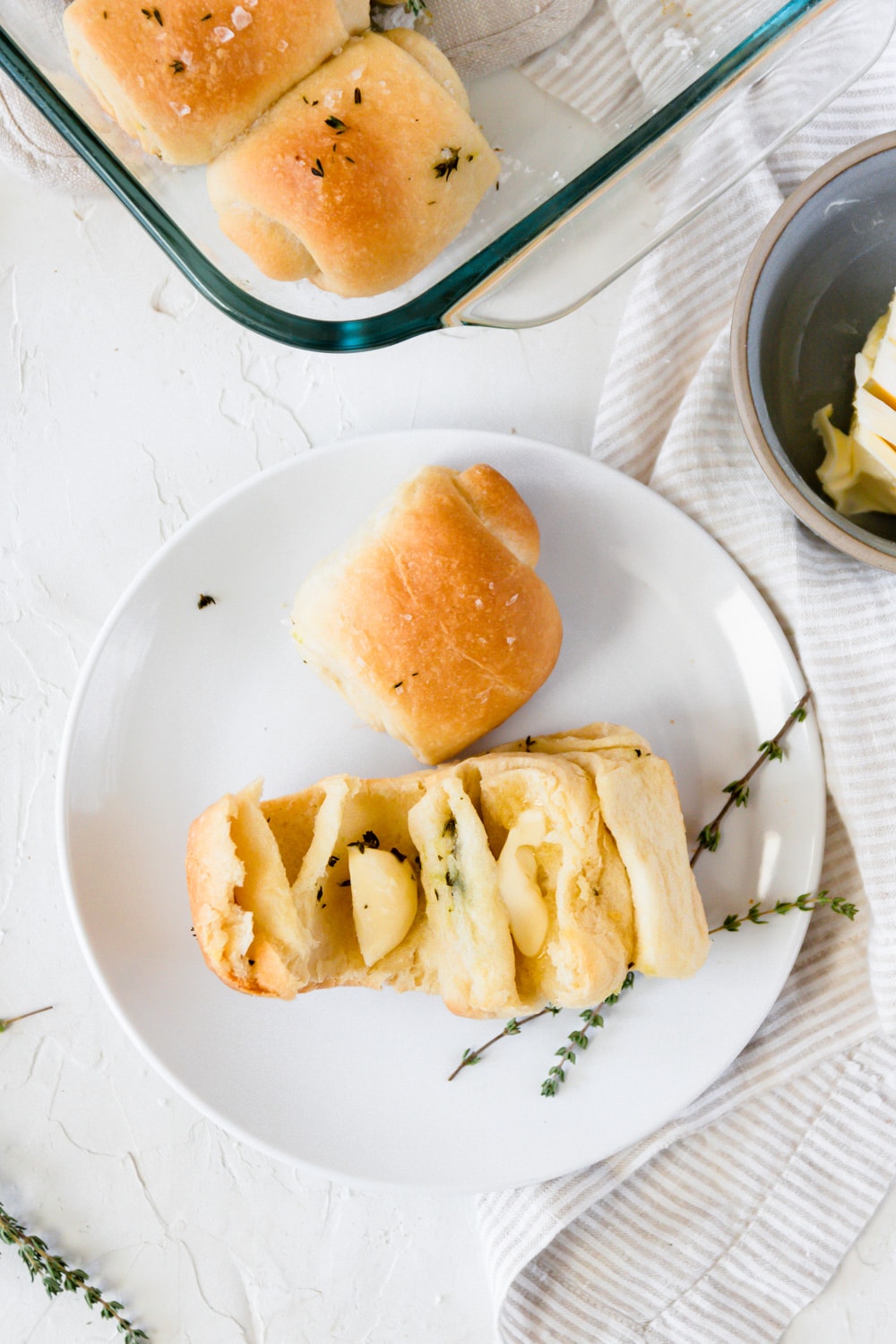
These Parker House rolls are the kind of side dish that fits just about any dinner table. They are especially good with holiday meals, roasted meats, hearty soups, or anything with a little extra sauce or gravy to soak up. The flaky layers make them perfect for pulling apart and swiping through butter, pan drippings, or a cozy bowl of soup.

If you are serving them for a gathering, bring them to the table warm in the baking dish or transfer them to a lined bread basket. A little softened butter on the side is never a bad idea.

Storage Suggestions

If you have leftovers, let the rolls cool completely before storing them so they stay as soft as possible. Keep them covered in an airtight container or tightly wrapped so they do not dry out.

For longer storage, wrap the rolls well and freeze them. When you are ready to serve, let them thaw and warm them gently so the buttery texture comes back to life.

Parker House Rolls

Recipe FAQ

How warm should the milk be for the yeast? Aim for milk that feels slightly warm, around 100–110°F. It should not feel hot.

What if my yeast mixture does not get foamy? That usually means the yeast is no longer active or the milk temperature was off. It is best to start over before adding the rest of the ingredients.

Should the dough be completely smooth and dry? No. It should be smooth, but still slightly sticky. That softer dough helps keep the rolls tender.

Can I proof the dough in the oven? Yes, as long as the oven is only gently warmed first and then turned off, or if you are using a proof setting.

How do I know when the rolls are done baking? Look for a golden brown top and a fully baked center. Since ovens can vary, visual doneness is the best cue.

If you are looking for a homemade roll recipe that feels classic, cozy, and a little extra special, these Parker House rolls are such a good one to have in your back pocket. They are soft, buttery, and full of pull-apart layers that make them feel right at home on a holiday table or next to an everyday dinner.

They do take a little time, as most yeast recipes do, but the process is straightforward and absolutely worth it. Once you pull apart that first warm roll and catch the butter and flaky sea salt in every bite, you will understand why these were such a hit at our table.

Parker House Rolls

Parker House Rolls

No ratings yet
These Parker House rolls are soft, fluffy, buttery dinner rolls with folded layers and a flaky sea salt finish, making them a cozy side for any meal.
Yield 15 rolls
Prep Time 15 minutes
Cook Time 30 minutes
Rising Time 2 hours
Total Time 2 hours 45 minutes

Ingredients
  

  • 1 cup milk
  • 1 packet active, dry yeast about 2 1/4 tsp
  • 2 Tbsp granulated sugar
  • 3 cups all-purpose flour
  • 1 tsp salt
  • 1 large egg
  • 8 Tbsp unsalted butter room temperature, divided
  • flaky sea salt

Instructions
 

  • Place in the milk in a microwave safe cup or bowl and warm for about 30 seconds until the temp reaches 110° F.
  • In the bowl of a stand mixer, whisk together the warmed milk, yeast, and sugar. Let stand for about 5 minutes to let the yeast proof – when the top of the mixture is foamy, it's ready.
  • Once the yeast is ready, add the flour, salt, egg, and 4 Tbsp of butter.
  • Using the dough hook, mix on low until a dough ball forms and looks smooth but is still slightly sticky; about 8-10 minutes.
  • Transfer the dough to a lightly oiled bowl, cover, and set in a warm place to rise for 1 hour or until doubled in size.
  • Preheat the oven to 350° F and coat a 9×13-inch baking pan with non-stick cooking spray. Melt the remaining 4 Tbsp butter in a microwave safe bowl.
  • Once the dough has doubled, turn out onto a floured work surface and divide into 4 equal pieces. Roll into a rectangle about 12 inches long by 6 inches wide. Brush lightly with melted butter.
  • Fold the dough in half, lengthwise and cut into 4 more pieces. Brush again lightly with melted butter.
  • Fold each piece to create a roll shape then place in the prepared baking pan. Repeat with remaining dough pieces.
  • Brush the tops of the dough rolls with the remaining melted butter and sprinkle with some flaky sea salt, if desired. Cover and let rest for 15 minutes.
  • Bake at 350° F for 25-30 minutes or until the tops are golden brown. Remove from oven and sprinkle with a little more sea salt.
  • Let cool for a couple minutes then pull apart and serve!
Tried this recipe?Snap a photo and mention @JenniferMeyering

Comments (0)

Leave a Reply

Your email address will not be published. Required fields are marked *

Recipe Rating


Share + Follow:

20.6kFollowers
11.4kFans
4.4kFollowers
341Followers
36.7kTotal fans

explore our recent finds

Circle Logo
Search